

Let’s get real for a moment. If you’re searching for “unsecured credit cards for horrible credit” or “no deposit credit cards bad credit,” you’re likely in a tough spot. A credit score under 500 – often considered “horrible” or “very poor” – can feel like a financial prison. Traditional banks and lenders slam their doors shut, leaving you wondering if you’ll ever get a chance to rebuild. It’s a frustrating, often isolating experience, and it’s easy to feel like you’re out of options.
But here’s the good news: you’re not entirely out of options. Unsecured credit cards for this demographic do exist. However, and this is crucial, they come with significant trade-offs. Many are designed with high fees and restrictive terms that can feel, frankly, a bit predatory if you’re not careful. Our goal with this 2026 guide isn’t just to list cards; it’s to be your honest broker, helping you understand the catches, avoid the traps, and make informed decisions that actually move your credit score in the right direction. We’ve done the vetting so you don’t have to get caught in a costly cycle of fees and disappointment.
Remember, rebuilding credit is a marathon, not a sprint. The cards we discuss today are stepping stones, not ultimate solutions. But with the right strategy, they can be incredibly powerful tools.
Affiliate Disclosure: We believe in transparency. This post contains affiliate links, meaning we may earn a commission if you apply for and get approved for a card through our links. This comes at no extra cost to you, and our reviews and recommendations remain independent and unbiased, always prioritizing your financial well-being.
Your Quick Guide to Unsecured Cards for Horrible Credit (2026)
Before we dive into the specifics, here’s a quick glance at some of the top unsecured credit card contenders for those with challenging credit. This table is designed to give you an “at-a-glance” overview, helping you quickly identify cards that might fit your immediate needs.
| Card Name | Best For | Annual Fee | Min. Credit Score (Approx.) | Initial Credit Limit (Approx.) | Reporting to Bureaus | Application Type |
| Mission Lane Visa® | Clear Terms & Path to Growth | $0 – $59 | 300+ | $300 – $1,500 | All 3 | Pre-qualification |
| Prosper® Card | Higher Initial Limits | $0 (1st yr), then $39 | 500+ | Up to $3,000 | All 3 | Pre-qualification |
| Credit One Bank Platinum Visa® | Cash Back Rewards for Bad Credit | $75 (1st yr), then $99 | 300+ | $300 – $1,000 | All 3 | Pre-qualification |
| Perpay™ Credit Card | No Credit Check, Builds Credit | $0 (monthly fee applies for some features) | No Minimum | Up to $2,500 (Perpay Marketplace) | All 3 | Soft Credit Check |
| Avant Credit Card | Slightly Better than Horrible | $39 Annual Fee | 550+ | $300 – $1,000 | All 3 | Pre-qualification |
Note: “Min. Credit Score” is approximate. Approval also depends on income, debt, and other factors. Fees and limits are subject to change by the issuer.
The Top 5 Unsecured Cards for Horrible Credit in 2026
Let’s get into the nitty-gritty of each card. Understanding the nuances – the pros, the cons, and the hidden fees – is critical when your credit score is in the danger zone.
Mission Lane Visa®: The “No Surprises” Card
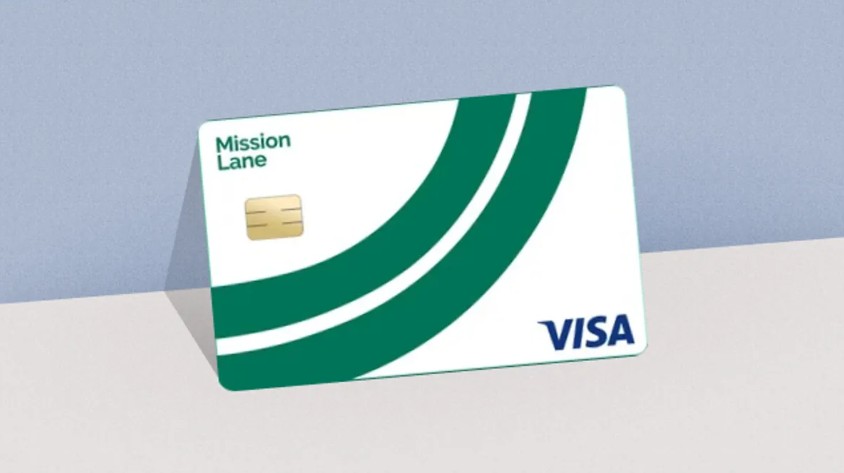
Mission Lane has carved out a niche for itself by offering relatively straightforward terms for those with less-than-perfect credit. They understand the rebuilding journey and aim to be a long-term partner, not just a one-off solution.
Why it Wins:
- Pre-qualification with Soft Pull: This is a huge advantage. You can check your approval odds without impacting your credit score. This means you can see if you’re likely to be approved before a hard inquiry hits your report.
- Clearer Terms: While still carrying higher fees (as is typical for this market), Mission Lane tends to be more transparent about them.
- Path to Higher Limits: They are known to review accounts for credit limit increases in as little as 6-12 months of responsible use, which is excellent for boosting your credit utilization ratio and overall score.
- Reports to All 3 Bureaus: Essential for consistent credit building.
The Catch:
- Annual Fee: This can range from $0 to $59, depending on your credit profile at the time of application. While it can be $0, many applicants in the “horrible credit” range will likely face a fee.
- High APR: Expect an Annual Percentage Rate (APR) in the range of 29.99% or higher. This is why carrying a balance is strongly discouraged.
- No Rewards Program: Don’t expect fancy cash back or travel points here. This card is purely for rebuilding credit.
Verdict: Best for those who want a reputable issuer with a clear path to credit improvement and appreciate the ability to pre-qualify without a credit score ding. If you can manage the potential annual fee and commit to paying your balance in full, it’s a solid stepping stone.
Prosper® Card: The “High Limit” Contender
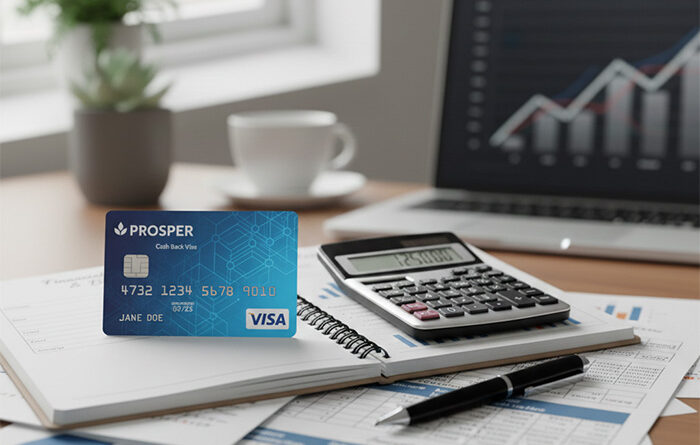
While Prosper is more widely known for personal loans, their credit card offering is designed to help individuals with improving credit scores. This makes it an interesting option for those teetering on the edge of “horrible” and “fair.”
Why it Wins:
- Potentially Higher Initial Limits: This is a key differentiator. Some users report initial credit limits up to $3,000, which is exceptionally generous for someone with poor credit. A higher limit instantly helps your credit utilization ratio (how much credit you use vs. how much you have available).
- No Annual Fee First Year: This is a nice perk, giving you a full 12 months to establish responsible behavior before any annual fee kicks in.
- Cash Back Rewards: While modest, it’s rare to find any rewards program with this demographic. Prosper offers 1% cash back on eligible purchases, providing a small incentive.
- Pre-qualification Available: Like Mission Lane, you can check your eligibility without a hard inquiry.
The Catch:
- Annual Fee After First Year: A $39 annual fee applies after the first year. Make sure you’re still getting value from the card at that point.
- Higher Minimum Score: While possible with “horrible” credit, Prosper generally targets those with scores of 500+, meaning those at the very bottom of the scale might find approval more challenging.
- High APR: Again, expect an APR in the high 20s or even 30s.
Verdict: Best for individuals who have started their credit recovery and are on the cusp of “fair” credit. The higher potential credit limit and first-year no annual fee can be powerful tools if used responsibly.
Credit One Bank Platinum Visa®: The “Cash Back for Bad Credit” Card
Credit One Bank is almost synonymous with subprime credit cards. They have a massive market share among those rebuilding credit, often due to their widespread direct mail offers. While they offer some unique features, it’s essential to approach them with open eyes.
Why it Wins:
- Cash Back Rewards: Many of their cards offer 1% cash back on eligible purchases, particularly on gas and groceries. This is a rare perk for cards in this credit tier.
- High Approval Odds: They are known for approving individuals with very low credit scores, even those in the 300-400 range.
- Pre-qualification Available: You can check your eligibility without a hard credit inquiry.
The Catch:
- Annual Fees: The annual fee varies but can be steep. For example, some cards have a $75 annual fee for the first year, then $99 annually thereafter. This is deducted from your available credit!
- Monthly Fees: Be extremely vigilant. Some Credit One cards also come with monthly maintenance fees after the first year, effectively adding to the cost. Always read the fine print carefully.
- High APR: Expect an APR hovering around 29.99% and often higher.
- Confusing Terms: Credit One is notorious for having multiple card variations with slightly different fee structures, making direct comparisons difficult.
Verdict: If cash back is a priority and you’ve been rejected elsewhere, Credit One can be an option. However, you must be hyper-vigilant about understanding all fees associated with your specific offer. This card requires a disciplined approach to payment to avoid excessive costs.
Perpay™ Credit Card: The “Paycheck Powered” Alternative
Perpay offers a unique approach that bypasses traditional credit scores almost entirely. It’s a fantastic option for those with little to no credit history, or those whose credit is so damaged that even the subprime lenders are saying no.
Why it Wins:
- No Hard Credit Check: Applying will not affect your FICO or VantageScore. Perpay looks at your income and employment history (via Clarity Services) rather than just a three-digit number.
- High Approval Odds: Because it’s “powered by your paycheck,” they are much more willing to give a chance to those with scores in the 400s.
- Built-in Budgeting: The card requires a direct deposit from your employer. A set amount from each paycheck goes toward your balance automatically, making it nearly impossible to “forget” a payment.
- Significant Credit Limits: Many users start with a $500 to $1,000 limit, which can grow to $3,500 over time. This high limit helps lower your overall credit utilization significantly.
The Catch:
- Monthly Service Fees: While there is technically no “annual fee,” they charge a $9 monthly account service fee. That adds up to $108 per year, which is expensive for a basic card.
- Direct Deposit Requirement: You must have a steady job with a payroll provider that allows for split direct deposits. If you are self-employed or a gig worker, you likely won’t qualify.
- Marketplace Tie-in: The 2% rewards you earn can only be redeemed within the Perpay Marketplace, where items are often priced higher than at retailers like Amazon or Walmart.
Verdict: Best for W-2 employees who have been rejected for every other card and need a “guaranteed” way to build a positive payment history. It’s essentially a high-tech version of a credit-builder loan in card form.
Avant Credit Card: The “Next Step” Card
If your credit isn’t quite at the “rock bottom” level—perhaps you’re sitting at a 550 or 580—the Avant Credit Card is a solid bridge to more mainstream financial products.
Why it Wins:
- Soft Pull Pre-qualification: Like the best cards in this category, you can see if you’re eligible without a hard inquiry.
- Reasonable Annual Fee: At $39, it is significantly cheaper than the Credit One or Perpay options.
- No Deposit Required: This is a true unsecured card that doesn’t tie up your cash.
The Catch:
- Strict Late Fees: While the annual fee is low, they are not forgiving with late payments.
- No Rewards: This is a “no-frills” card meant for utility, not perks.
Verdict: Best for the “Fair-ish” credit crowd. If you’ve been using a secured card for six months and want to move to an unsecured card without a $100 annual fee, this is your best bet.
How to Spot “Fee-Harvesting” Cards: A Survival Guide
When you have horrible credit, you are a target for “fee-harvesting” banks. These companies make their money by charging you fees before you even use the card. Here is how to protect yourself:
The “Program Fee” Trap
Some cards will ask for a $95 “program fee” just to open the account. If you see this, run. Legitimate cards for bad credit might have an annual fee, but they usually deduct it from your initial credit limit rather than asking for cash upfront.
The Math of Monthly Fees
Always do the “Year One Math.”
- Card A: $95 Annual Fee.
- Card B: $0 Annual Fee, but $12.50/month maintenance fee.
- The Result: Card B actually costs you $150 a year. Don’t let the “$0 Annual Fee” headline fool you.
“Hidden” APRs
In 2026, many of these cards have APRs reaching 35.99%. If you spend $500 and only pay the minimum, you could end up paying back $800 or more over the year. Rule of thumb: Only spend what you can pay off in full every month.
Moving from “Horrible” to “Fair”
Simply owning the card isn’t enough; you have to play the “Credit Score Game” to win.
- The 10% Rule: Most experts say stay under 30% utilization. If you want to move fast, stay under 10%. If your limit is $300, never let your statement balance exceed $30.
- Micropayments: You don’t have to wait for the due date. Pay $20 every Friday when you get paid. This keeps your balance low and ensures you never miss a deadline.
- The “One Subscription” Trick: Put one small bill (like Netflix or Spotify) on the card, set it to autopay, and put the physical card in a drawer. This builds a perfect payment history with zero effort.
FAQs
Q: Can I get an unsecured card with a 450 credit score? A: Yes, cards like Mission Lane and Credit One are specifically designed for scores in this range, though you should expect a lower limit (usually $200-$300) and an annual fee.
Q: Is a secured card better than an unsecured card for bad credit? A: Usually, yes. A secured card (like the Discover it® Secured) has no annual fee and gives you your deposit back. However, if you don’t have $200 in cash for a deposit, the unsecured cards on this list are your next best option.
Q: How long until my score improves? A: If you pay on time and keep your balance low, you could see a 30–50 point jump within the first 3 to 6 months.
Having “horrible” credit is a temporary state, not a life sentence. By choosing one of these unsecured cards—and more importantly, using it as a tool rather than a spending account—you are laying the bricks for a future where you can qualify for mortgages, car loans, and low-interest cards.